
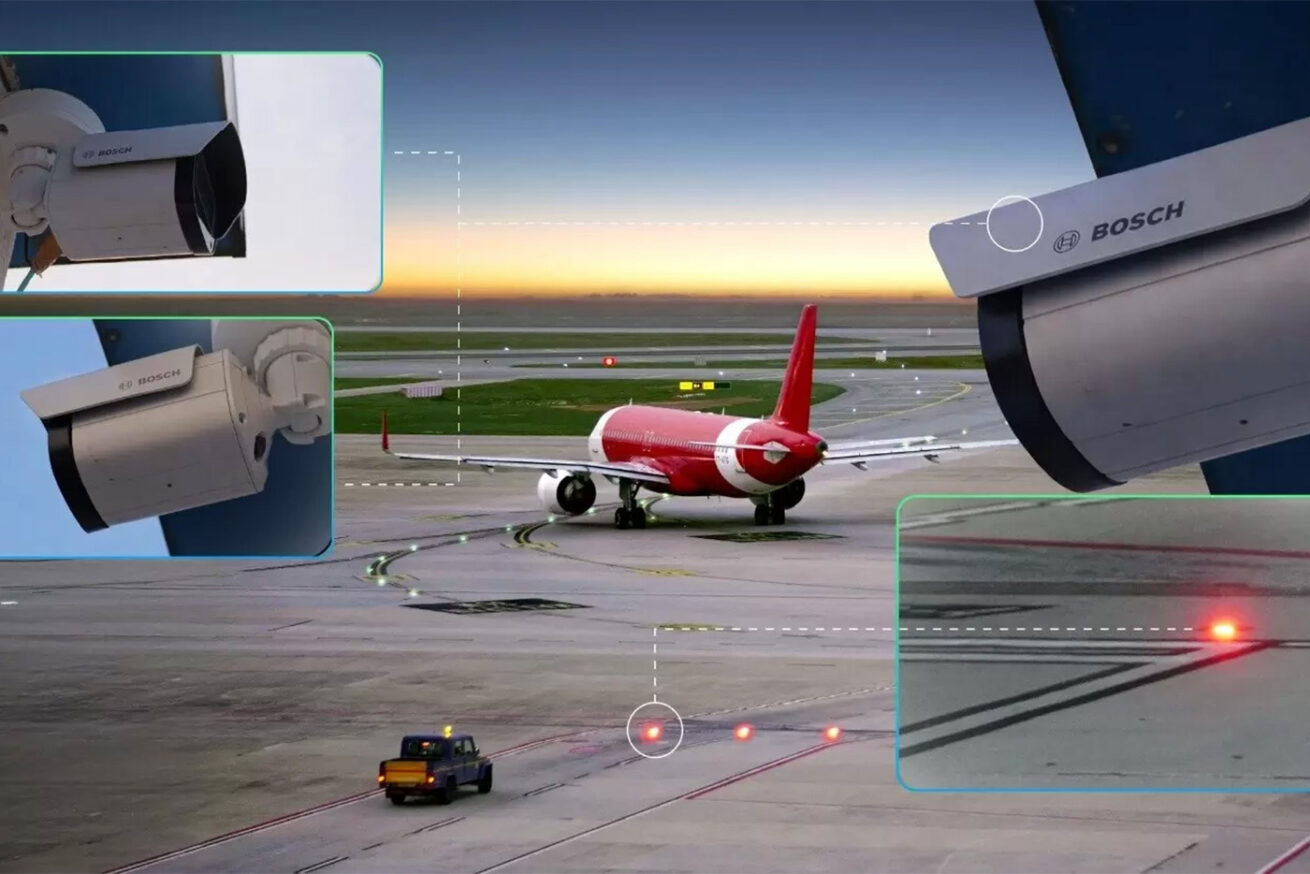
Bangalore International Airport Limited (BIAL) has taken a big step to improve ground safety. They have launched a brand new Smart Airside Safety System. This new setup is at Kempegowda International Airport (KIA). KIA is one of the fastest-growing airports in the world.
Managing a modern airport is a huge task. It takes a lot of work to coordinate planes and ground vehicles safely. The airport must constantly find new ways to work better. This Smart Airside Safety System uses artificial intelligence (AI). It helps to control daily operations and reduce risks. It makes moving around the airfield much safer. The system focuses on the most high-risk areas on the tarmac. These busy areas are called Cross Service Roads (CSRs).
Improving Safety at Cross Service Roads with the Smart Airside Safety System
What exactly are Cross Service Roads? These are very important intersections. Here, the taxiing paths of planes cross with the paths of ground vehicles. These service vehicles include baggage tractors, fuel trucks, and passenger buses. Planes and trucks must share this space safely.
This sharing needs very careful teamwork. A mistake here could cause a major safety incident. It could also cause long delays for travellers. In the past, managing these busy intersections was hard. Ground staff had to turn on warning lights by hand.
This manual process was not perfect. It always left room for human mistakes. It was also hard for staff to see everything clearly. This was true during busy peak traffic hours. It was also a big problem at night or in heavy fog. BIAL wanted to fix these problems. Their new technology takes away the need for manual control. Instead, the Smart Airside Safety System relies on fast, smart technology.
How Does the Smart Airside Safety System Work?
The new setup is very advanced. It is a full network that joins three main types of technology. These work together to keep airside traffic moving safely.
- AI-Based Computer Vision: High-quality smart cameras watch the intersections all the time. They use machine learning to understand what is happening. The cameras can tell the difference between planes and trucks. They spot any risky movements right away. They flag vehicles that break the safety rules. This stops problems before they turn into real dangers.
- Intelligent Automation: The Smart Airside Safety System turns on warning lights in the ground without human help. This makes sure the plane always has the right of way. It acts like an automatic traffic light for the airfield. The cameras check that the road is fully clear. Once it is safe, the system turns off the warning lights. This means the planes do not have to wait at all.
- Central Control Room: A digital dashboard records every single event on the tarmac. It tracks every vehicle movement. This central hub lets airport staff watch everything live. They can check that everyone follows the safety rules. They can also use live data to make traffic flow better.
Key Benefits of the Smart Airside Safety System
Kempegowda International Airport is using AI to lead the way. It is setting a high standard for smart airport technology. This new Smart Airside Safety System brings many great benefits to the airport.
First, it heavily reduces human error. The automatic signals lower the chance of ground crashes. This provides a safety net that works all day and night. It does not get tired. It works well even in very bad weather.
Second, it improves how well the airport works. The system stops planes and trucks from waiting too long. Smoother movement on the ground means planes can turn around faster. This helps flights leave on time. Passengers get a much better travel experience.
Third, the Smart Airside Safety System helps the environment. Planes and trucks spend less time waiting at intersections. They do not run their engines for no reason. This cuts down on fuel use. It also lowers harmful carbon emissions at the airport.
Finally, it helps with data-driven choices. The system constantly records what happens on the airside. This gives airport managers very helpful data. They can use these details to predict traffic jams. They can improve safety rules over time. This data will also help them plan new airport buildings in the future.
A Step Towards the Future of Aviation
Bengaluru already has a very strong safety record. However, passenger numbers keep growing very fast. The number of daily flights is also going up. This means the airport needs smart, automatic solutions. Old manual systems are no longer good enough for such a busy hub.
Putting this Smart Airside Safety System in place shows a strong promise from BIAL. They want to use the best modern technology. By putting safety and smooth operations first, BIAL is taking a leading role. They are making Kempegowda International Airport a global leader in smart airport management. This sets a very high standard. Other big airports around the world will likely try to follow this great example soon.
