
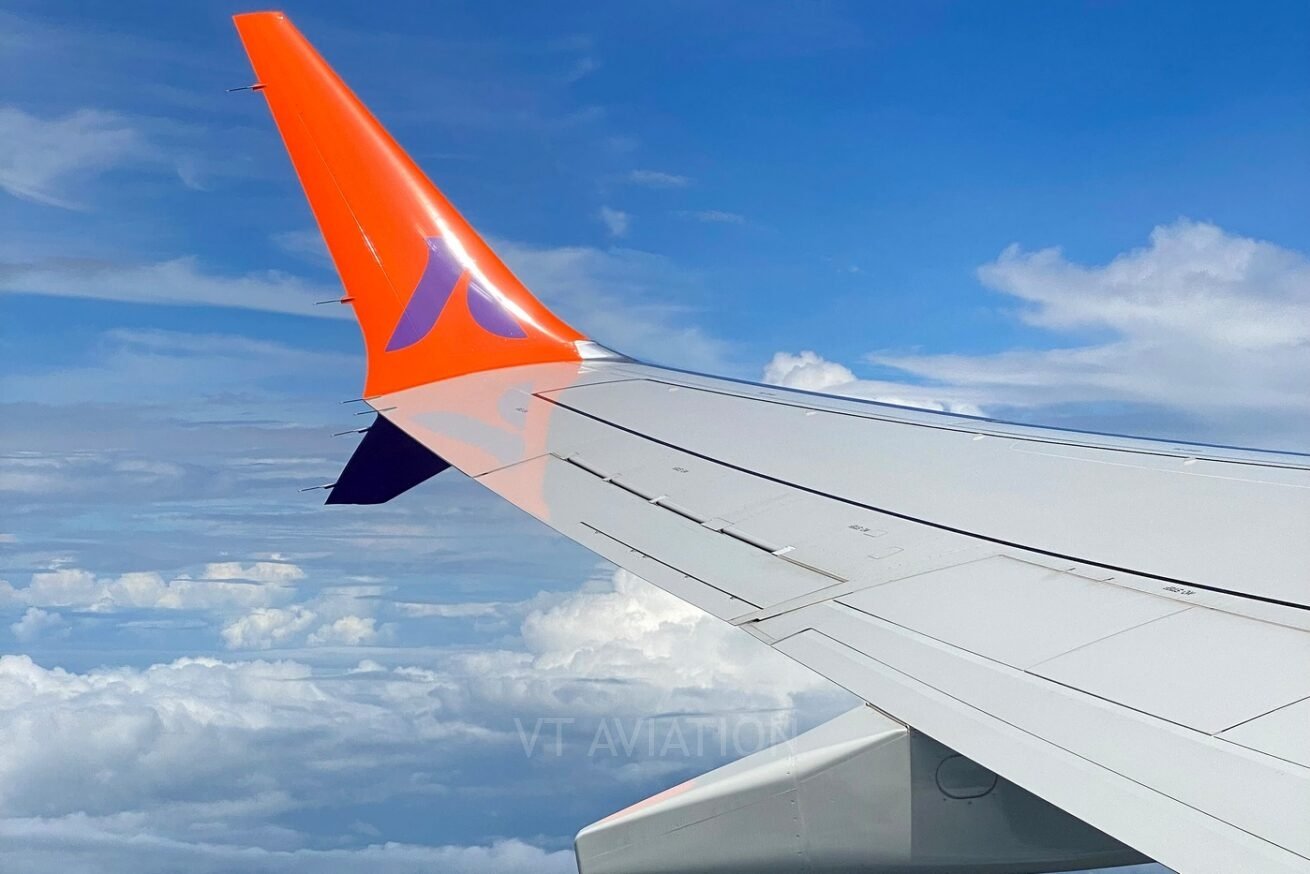
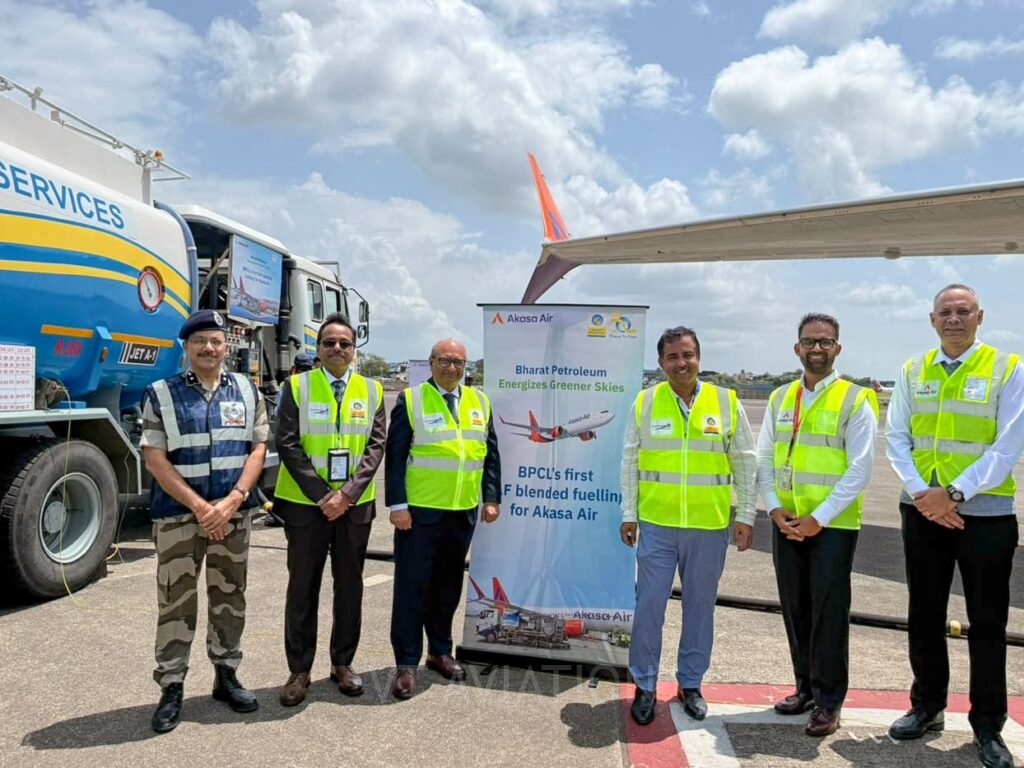
Akasa Air has successfully operated a commercial flight using Sustainable Aviation Fuel (SAF). The airline partnered with BharatPetroleum Corporation Limited (BPCL) for the milestone flight. The flight used conventional aviation turbine fuel blended with 1% SAF. It departed Mumbai and landed in Goa on 8 September 2026. The initiative marks an important step in India’s journey towards cleaner air travel. As airlines around the world look for ways to cut emissions, SAF is becoming a key solution. The successful flight shows that sustainable fuels can be used in regular commercial operations.
What is Sustainable Aviation Fuel?
Sustainable Aviation Fuel, or SAF, is an alternative to conventional jet fuel. It is produced from sustainable sources and can help reduce green-house gas emissions over its lifecycle. One of the biggest benefits of SAF is that it can be used in today’s aircraft. Airlines do not need new engines or major changes to airport infrastructure. This makes SAF one of the most practical ways to lower aviation emissions. Many governments, airlines and fuel companies are investing in SAF. It is expected to play a major role in helping aviation reach its long-term climate goals.
Why This Flight Matters?
The flight may have used only a small SAF blend, but its importance is much greater. Demonstration flights help airlines gain real-worldexperience with sustainable fuels. They also help build confidence among fuel suppliers, regulators and airports. Each successful operation brings the industry one step closerto wider SAF adoption. For India, the flight highlights growing efforts to make aviation more sustainable. It also shows how partnerships can help accelerateprogress.
Akasa Air’s Focus on Sustainability
Sustainability has been a priority for Akasa Air since the airline launched operations. The carrier has invested in modern aircraft andtechnology to improve efficiency and reduce environmental impact. A major part of this strategy is the airline’s Boeing 737 MAX fleet. These aircraft are designed to use less fuel and produce fewer emissionsthan older aircraft models. The airline has also introduced digital tools to improve fuel management and operational efficiency. Small improvements across dailyoperations can make a meaningful difference over time. Through initiatives such as SAF adoption, Akasa Air continues to explore ways to operate more responsibly.
BPCL’s Role in the Project
BPCL supplied the Sustainable Aviation Fuel used for the flight. The company has been working to strengthen its position in India’s evolving energy sector. The development of SAF is an important part of that effort. Sustainable fuels can help reduce dependence on traditional fossil fuels while supporting environmental goals. However, scaling SAF production is not easy. Challenges include feedstock availability, production capacity and cost. Industry collaboration will be essential to address these issues. Projects like this help build knowledge and support future growth of the SAF ecosystem.
Supporting India’s Aviation Goals
India has set a target of achieving 5% SAF blending by 2030. To reach that goal, airlines, fuel suppliers and policymakers will need to work closely together. The aviation sector is expected to grow rapidly in the coming years. Passenger demand continues to rise across the country. As a result, efforts to reduce emissions will become even more important. The Akasa Air and BPCL flight demonstrates how the industry is beginning to turn sustainability plans into action.
More Than Just Fuel Efficiency
Modern aircraft and cleaner fuels are only part of the solution. Airlines are also improving sustainability through operational changes.
These include better fuel planning, more efficient flight operations and resource conservation measures. Every improvement can help lowerthe overall environmental impact of aviation.
Akasa Air has already introduced several initiatives aimed at improving efficiency. These efforts complement the airline’s work on cleanerfuel solutions.
The Future of Sustainable Aviation in India
Sustainable Aviation Fuel is expected to become increasingly important in the years ahead. It offers one of the most practical ways for airlines to reduce emissions while continuing to grow. The successful flight by Akasa Air and BPCL is a positive development for Indian aviation. It shows that SAF can move beyond trials and become part of regular airline operations. There is still work to do before SAF becomes widely available. Production must increase, supply chains must expand and costs need tobecome more competitive. Despite these challenges, the future looks promising. Partnerships between airlines and energy companies are helping drive progress. Asmore organisations embrace SAF, India’s aviation sector will move closer to a cleaner and more sustainable future.
